I Let the Machine Into My Studio — and Everything Changed
I didn’t come to AI through technology.
I came through fabric.
Never thought I would be doing AI in fashion design.
For years, my world was physical: hands moving across textiles, pins between lips during fittings, paper patterns curling at the edges, moodboards layered with magazine tears, material swatches, sun-faded photographs. Creativity was something you could touch. Something that left dust on the table.
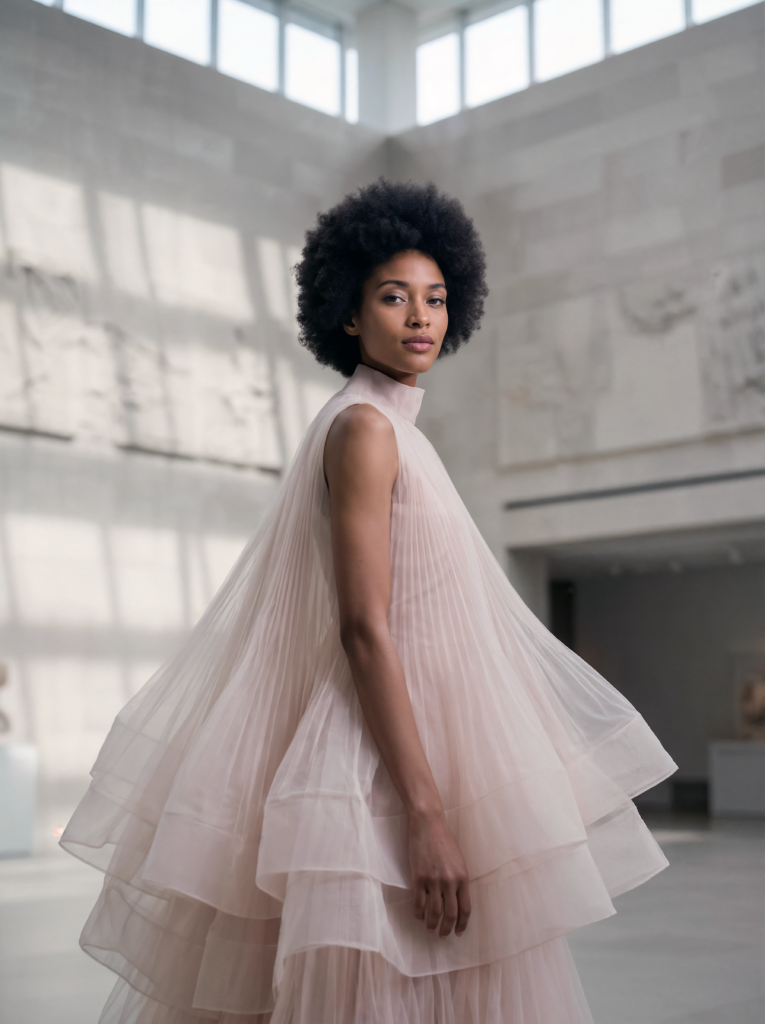
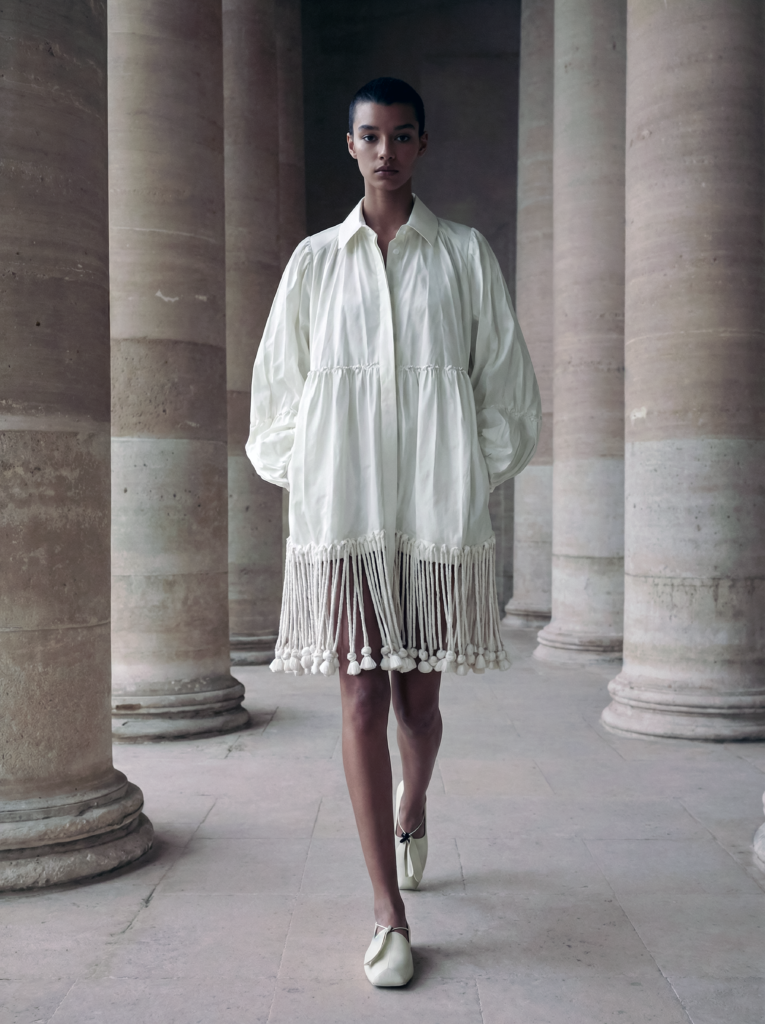
Then, quietly at first, new generative text, image and video systems entered the room. Midjourney. ComfyUI. Freepik. Caimera. Nano Banana. Many more with odd sounding names. Rapidly evolving image models that felt less like software and more like new creative species — visual engines trained on vast aesthetic memory, capable of rendering worlds that previously required studios, teams, budgets, and time.
I was curious. Then captivated. Then slightly unsettled.
Because at some point I realized AI in fashion design wasn’t simply a new toolkit. A new process was forming on the horizon — one that makes many of the old steps void. No long chain from sketch to sampling to shoot before a vision can be seen. No waiting for production to test atmosphere or narrative. No clear separation between concept and execution. The studio, as I had known it, was quietly dissolving into something faster, more fluid, and fundamentally different.
And yet — what surprised me most was not the technology.
It was what happened to my creativity inside it.
AI was not a mirror for my imagination, but rather an extension.
It offered possibilities I had not envisaged.
A creative super power – AI in fashion design!
Things did not appear within minutes, but within seconds. And many things — to choose from, to respond to, to refine, to resist. Not final answers, but a constant stream of visual propositions. A dialogue in images, unfolding in real time.
Today, these tools sit beside my sketchbooks and fabric boards. They haven’t replaced my process. They’ve stretched it forward, outward, into territory I’m still learning to navigate.
This is not a story about technology.
It is a story about creative evolution.
Retaining Your Uniqueness as a Designer
People often ask whether AI will flatten creativity. If everyone has access to the same models, the same interfaces, the same datasets — won’t everything begin to look the same?
Only if designers stop making choices.
Tools have never created uniqueness. Taste does. Judgment does. Point of view does. AI in fashion design can generate infinite images, but it cannot decide what matters. That responsibility remains entirely human.
What changed for me was time.
AI removed many of the labor-heavy steps that once stood between idea and visualization. And in doing so, it handed me something both liberating and demanding: time to confront my own taste. Time to ask whether an image truly expresses what I want to say — not simply whether it is impressive, polished, or technically flawless. Time to explore what I return to instinctively, what I reject immediately, and what unsettles me enough to stay.
This is a challenge you have to accept — and one you cannot hide from.
When AI can produce endless options at negligible cost, you are left face to face with your own aesthetic responsibility. There is nowhere to disguise uncertainty behind production constraints. No delay to postpone decision-making. Your voice, your preferences, your blind spots all become visible — to yourself first.
It is an intensely creative confrontation.
Over time, I began shaping personal structures inside these systems: prompt frameworks, reference archives, controlled workflows, recurring visual principles. Slowly, the output started to feel coherent. Recognizable. Aligned with my identity as a designer rather than the identity of the tool.
Uniqueness in the AI era is not about resisting technology.
It is about shaping it until it speaks with your accent.
Designing with Control — and Leaving Space for Surprise
My background trained me to control every variable.
Silhouette. Proportion. Texture. Light. Story. Message.
Fashion teaches precision — because once something is produced, there is no undo button. AI in fashion design, however, introduced something unfamiliar: a space where unpredictability is not a threat, but a resource.
At first, I tried to direct the machine tightly, writing highly structured prompts, locking references, defining compositions down to camera lens and fabric weave. And then, occasionally, I would let the system breathe — slightly looser phrasing, an open parameter, a controlled randomness.
That’s where unexpected beauty appeared.
A fold in a garment that felt more alive than my sketch.
A lighting accident that conveyed emotion better than my plan.
An odd surreal detail that shifted the narrative entirely.
I learned not to correct every deviation. To pause and ask whether the output was wrong — or simply revealing a possibility I hadn’t imagined yet.
AI in fashion design is like directing a collaborator with an immense visual memory and a tendency toward improvisation. You lead. You edit. You frame the intent. But you also listen. The final work emerges somewhere in the tension between control and discovery.
That balance has become one of the most creatively satisfying aspects of my practice.
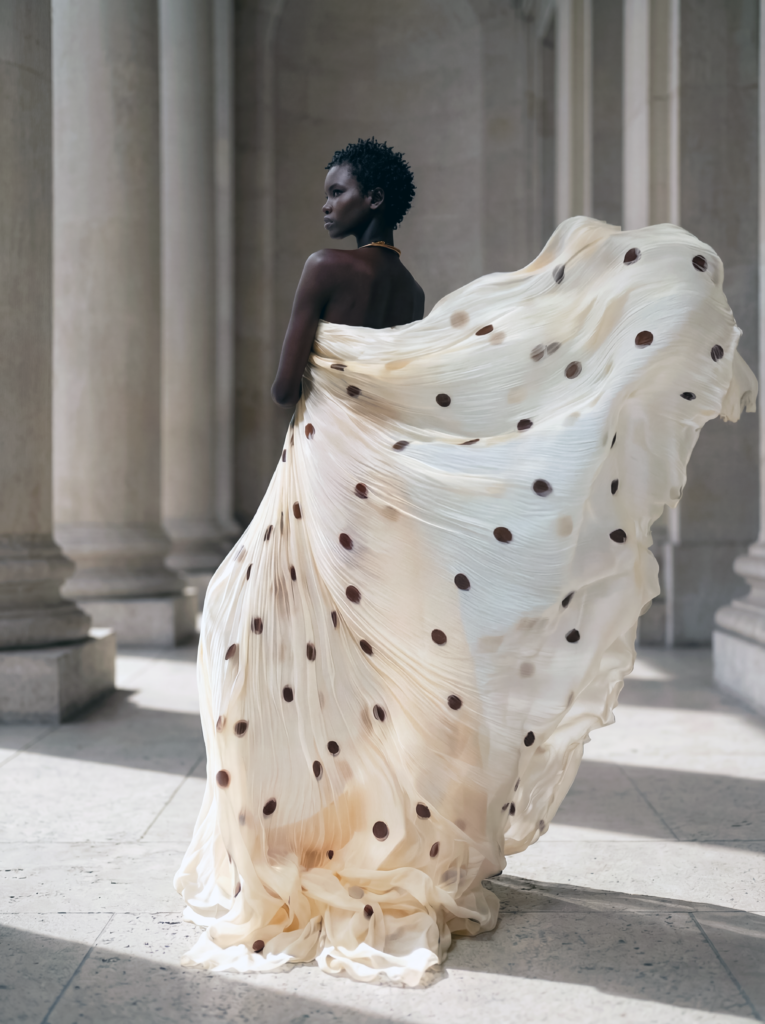
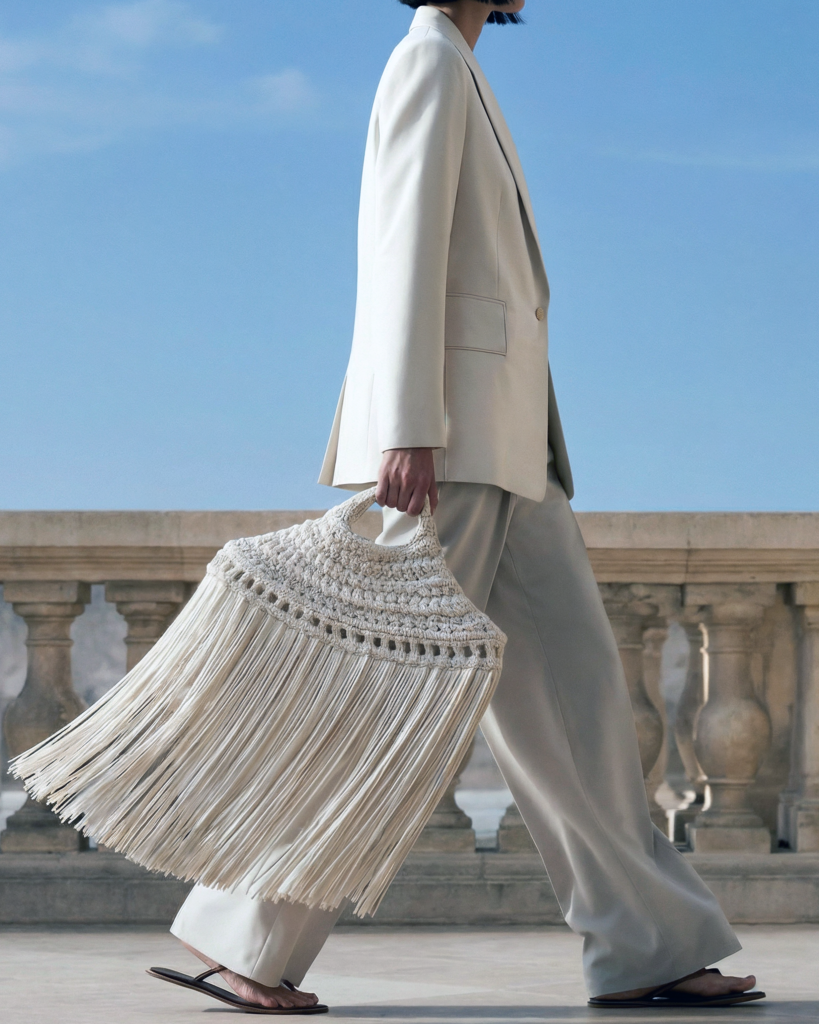
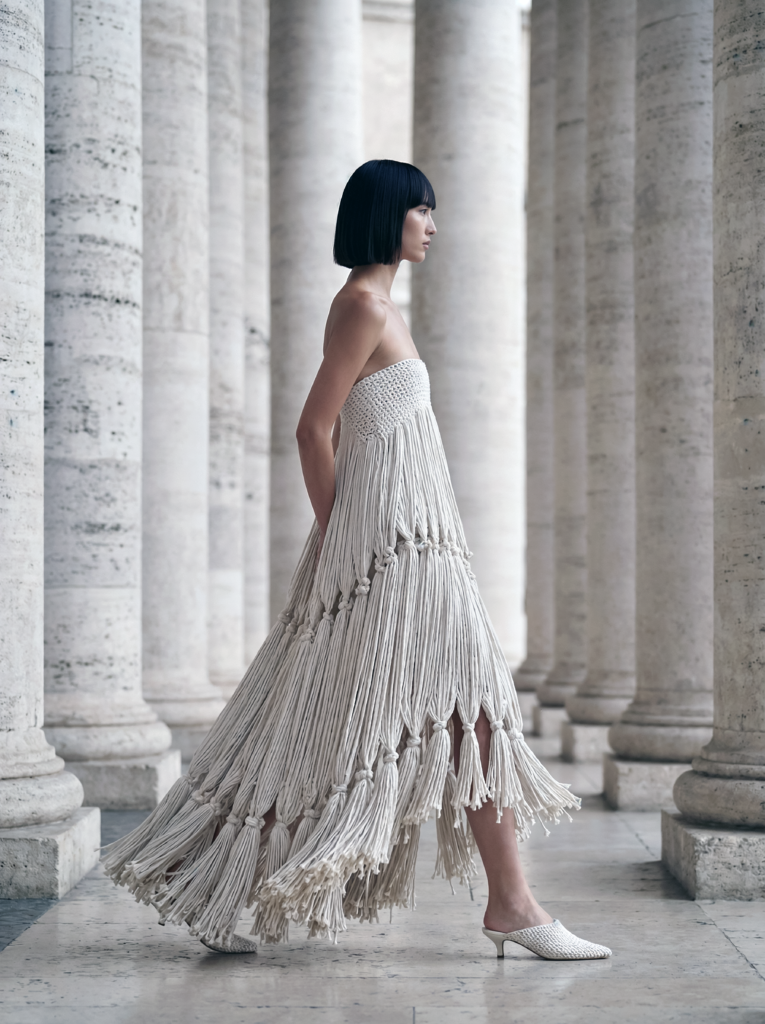
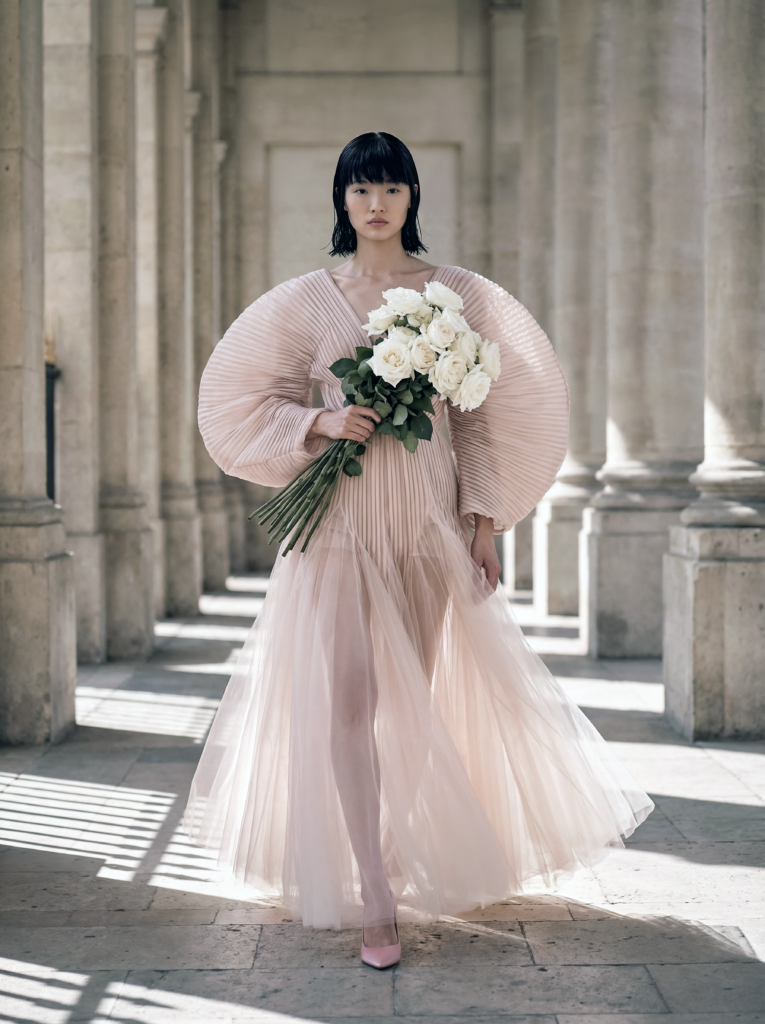
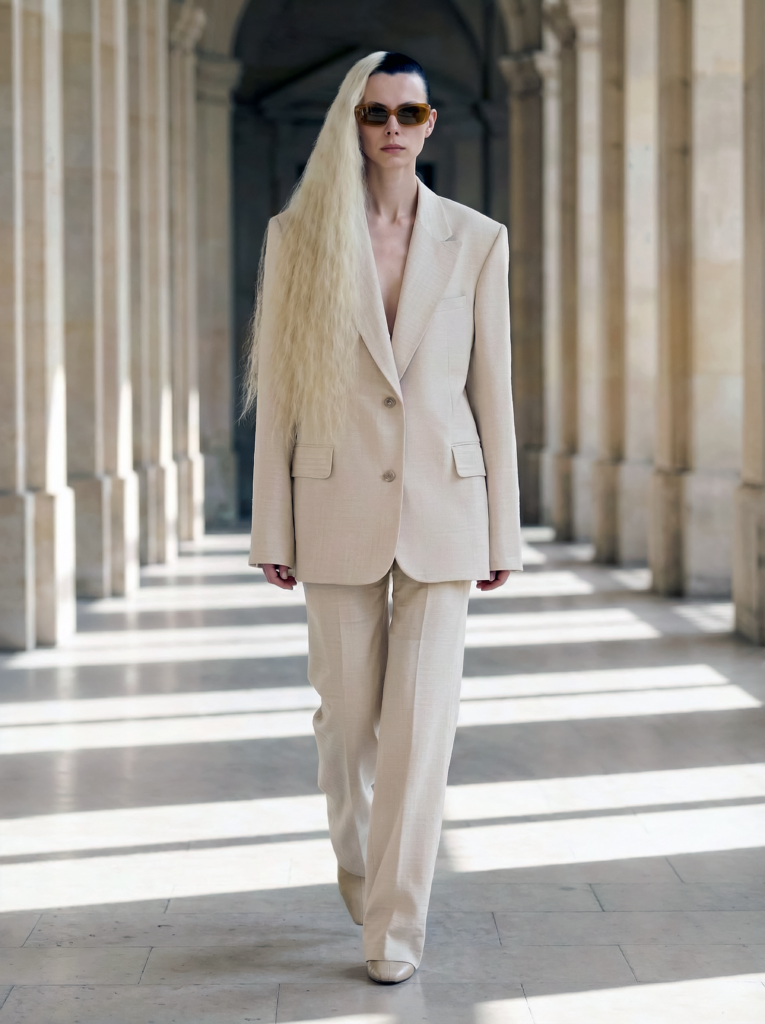
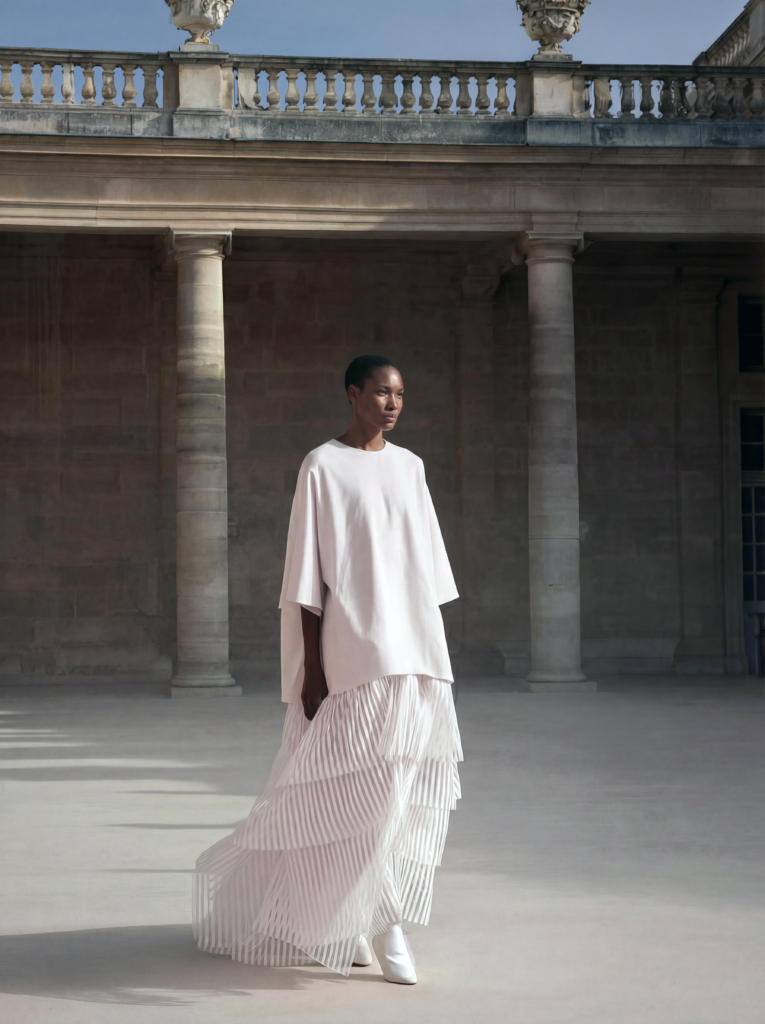
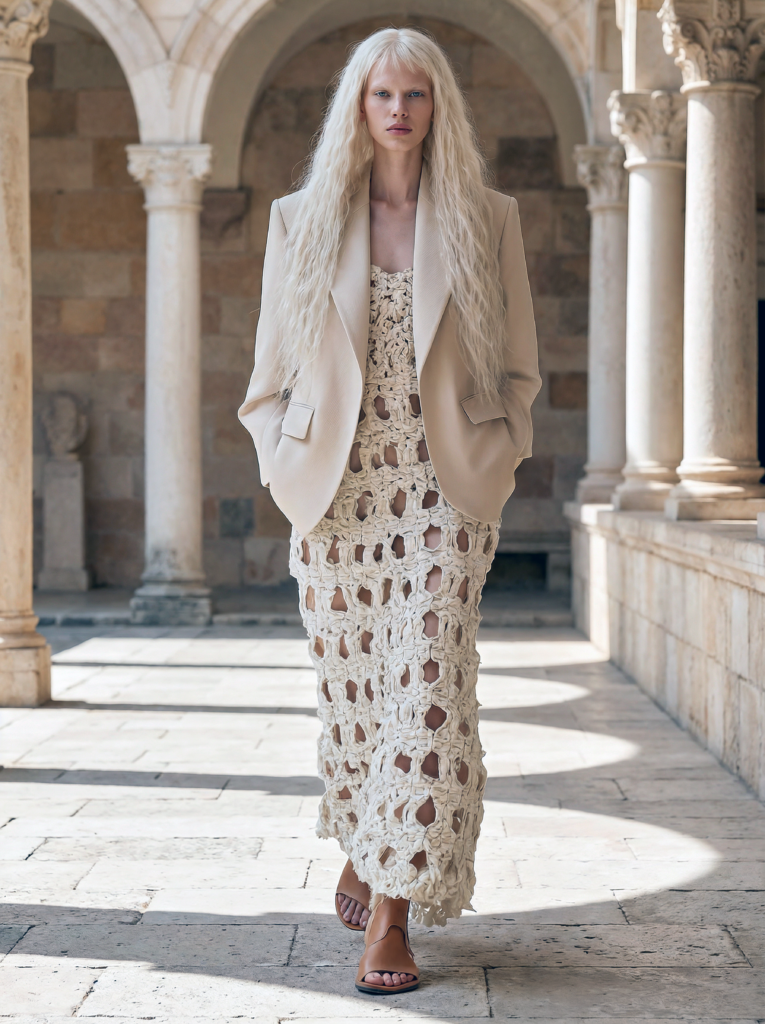
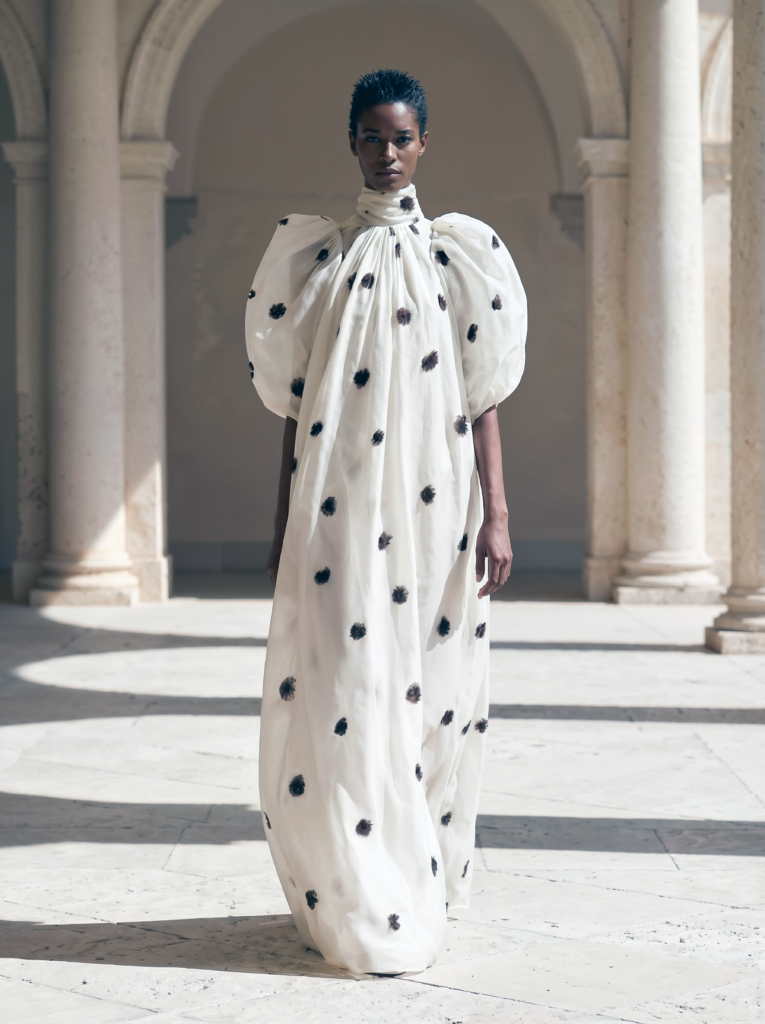
The Key Steps in the AI Design Journey
Looking back, I see that working creatively with AI is not about mastering software. It is about developing a new literacy — visual, conceptual, and procedural.
The first step is learning to see. Studying editorials, film stills, photography, art history, garment construction, texture behavior, lighting psychology. AI responds directly to the depth of your visual vocabulary.
The second is learning to speak in images through language. Prompts become sketches made of words. Describing mood, material, posture, atmosphere, narrative tension. The clearer your articulation, the more intentional the response.
The third is building workflows. Moving beyond single-image generation into structured pipelines: reference control, consistency systems, detail refinement, upscaling, styling swaps. This is where tools like ComfyUI become less like generators and more like studios.
The fourth is curation. AI produces abundance. The designer’s role becomes selecting what feels meaningful, coherent, alive — and discarding the rest without hesitation.
And finally comes integration. Connecting imagery to brand identity, audience, emotion, and purpose. Because design is never just image-making. It is communication.
These steps are iterative. They overlap. They evolve. But each deepens creative agency rather than reducing it.
Where to Begin if You Want to Explore the Art of the Future
Start with curiosity, not mastery.
Choose one tool that excites you. Play daily. Generate imperfect images. Study why something works or fails. Build a personal reference archive. Reverse-engineer prompts that move you. Treat outputs as sketches, not deliverables.
Create small projects: a fictional campaign, a capsule collection, a conceptual brand world, a single product story. Each experiment teaches more than any tutorial, because it trains your eye and your instinct simultaneously.
Most importantly, stay anchored in what made you a designer in the first place: sensitivity to form, material, story, emotion, context. AI is simply a new material — intangible, fast, fluid — but still waiting for human intent to shape it.
The future will not belong to designers who merely use AI.
It will belong to designers who think through it.
Parting thoughts
Letting AI into my studio did not replace my creativity.
It clarified it.
It stripped away many of the mechanical steps and left me face to face with taste, intention, and meaning — the parts of design that were always human, and now more visible than ever.
We are entering a moment where imagination can be visualized instantly, where storytelling no longer waits for production schedules, where the studio is both physical and digital, tactile and intangible.
For designers willing to engage, to question, to experiment, this is not the end of a discipline.
It is the beginning of a new one. To be inspired about AI in fashion design, feel free to check out my portfolio and insta page for inspiration.